
Transforming Your Kitchen With A Cabinet Designer
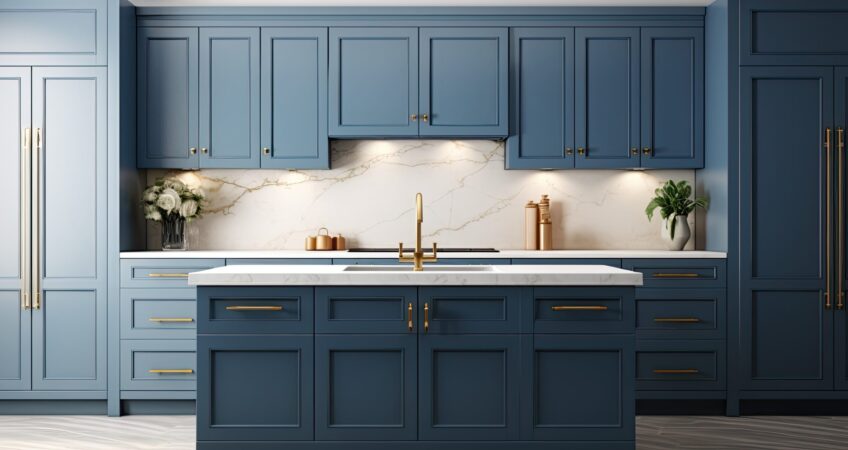
Big results start with innovative design. Whether you’re drawn to a classic farmhouse look or a sleek contemporary space, a skilled cabinet designer helps translate inspiration into a buildable plan, one that fits your room, your cooking habits, and your timeline. If you’re remodeling in the Kansas City metro, especially in Johnson County cities like Leawood, Prairie Village, Overland Park, Mission Hills, and Shawnee, partnering with a local team that understands your home’s architecture and everyday needs makes all the difference. At Kansas City Custom Cabinets Inc., we guide you from mood boards and measurements to materials and installation so every decision supports the final result.
Why a Cabinet Designer Changes Everything
When it comes to your kitchen, cabinets are the backbone. They determine storage capacity, traffic flow, and how surfaces line up with appliances. This is where the expertise of a dedicated cabinet designer shines. They connect the dots between style and function, door style, wood species, finish system, hardware, interior accessories, and the nitty-gritty of clearances and code. Instead of guessing at box sizes and hoping everything fits, you get elevations, perspectives, and a parts list that your builder can execute without surprises.
Style Ideas to Spark Your Plan
Great kitchens begin with a clear style direction. This is where you can use reference concepts to focus your mood board and narrow choices before you shop finishes. Whether it’s a modern farmhouse, a transitional style, a contemporary/minimal design, or a classic craftsman look, having a clear style direction is the first step towards creating your dream kitchen.
- Modern farmhouse: Shaker doors with a painted finish, simple crown, exposed wood accents, and warm metals. Pair with a furniture-look island and discrete appliance panels for a softer profile in Overland Park or Prairie Village homes.
- Transitional: Clean profiles and balanced detail, thinner rails/stiles, quiet reveal lines, and a mix of painted perimeter cabinets with a rift-cut white oak island. Works beautifully in Mission Hills renovations where traditional architecture meets modern living.
- Contemporary/minimal: Full-overlay slab doors, integrated pulls, flatter crown or no crown, and horizontal grain on selected runs. Consider a curated palette: matte lacquer with natural veneer accents for Shawnee or Leawood new builds.
- Classic craftsman: Quarter-sawn oak, honest joinery, and oil-rubbed bronze hardware. Ideal for bungalows and homes with strong millwork character across Johnson County.
For a high-level view of how national trends evolve and which features homeowners value most, browse the NKBA’s latest design trend insights as you build your mood board.
From Inspiration to Drawings: How the Process Works
Your cabinet designer will translate style notes into measured drawings. Expect a site visit for field measurements, appliance spec verification, and a discussion of traffic patterns (work triangle or modern work zones). You’ll review plan and elevation views that set cabinet widths, heights, fillers, and reveals; then iterate until the storage works for your daily routine. If you’re still exploring how a designer elevates function, see our post on maximizing functionality with a kitchen cabinet designer, which outlines the small layout choices that add up to big convenience.
Space Planning: Zones That Make Life Easier
Modern kitchens are organized by task zones rather than a single “triangle.” Your designer will map prep, cooking, cleanup, baking, coffee, and grab-and-go areas, then assign cabinet types to each zone. Examples:
- Prep: Wide drawers near the sink for knives, cutting boards, towels, and prep bowls; tray dividers for sheet pans; pull-outs for oils and vinegars.
- Cooking: Deep drawers for pots, pans, and lids under the cooktop; a slim pull-out for spices; vertical dividers near the oven for baking sheets.
- Cleanup: Two-bin trash/recycle at the sink base; roll-outs for soaps and sponges; tray storage for dish racks.
- Breakfast/coffee: Appliance garage with pocket doors; drawers for mugs, filters, and cereals; under-cab lighting to avoid waking the whole household.
Your cabinet designer will also fine-tune door swing direction, pull locations, and interior dividers to make the space feel intuitive.
Materials and Finish: Durability You Can See and Feel
Material choices affect both performance and appearance. Our furniture-grade plywood boxes offer excellent fastener hold and moisture resistance; MDF excels for smooth painted doors; solid wood frames add strength and crisp lines for inset styles. Finish systems range from conversion varnish (excellent durability) to specialized catalyzed paints. A designer helps you match sheen and color to lighting and flooring, and plan where to use stain versus paint so your kitchen ages gracefully in Kansas City’s seasonal humidity, ensuring your investment is secure.
Hardware and Interior Accessories: The Secret to Daily Joy
Hardware is more than a finishing touch; it’s a daily interface. Choose soft-close, full-extension slides and quality concealed hinges with adjustability. Inside the boxes, specify cutlery inserts, utensil canisters, spice pull-outs, tray dividers, peg organizers, and corner solutions to keep everything reachable. Your designer will check the weight ratings for wide drawers and recommend reinforcement where heavy cookware is stored.
Lighting and Power Planning
Good lighting is not just a design element; it’s a practical necessity that makes great cabinets shine. Plan tape or puck LED lighting for under-cabinets, in drawers, and in glass uppers. Coordinate power for mixers and espresso machines in appliance garages, and consider USB/USB-C charging drawers to reduce counter clutter—an especially nice upgrade in compact Prairie Village kitchens.
Layouts for Different Johnson County Homes
Not every kitchen starts from the same footprint. In Mission Hills and Leawood, larger rooms may suit a double-island plan with a dedicated scullery. In Shawnee and Overland Park, L-shaped kitchens with a workhorse island optimize space for cooking and homework. Your designer will align cabinet depth, aisle width, and seating overhangs with how you actually live.
Budget Clarity and Value Engineering
Design doesn’t have to be vague. Expect a line-item proposal that lists box materials, hardware brands, finish systems, and accessory counts. When budgets need tuning, your cabinet designer can “value engineer” without sacrificing the look: shift to a painted finish on secondary runs, simplify crown profiles, or swap a few interior accessories.
Project Coordination with Your Contractor
Successful installations depend on scheduling and communication. Your designer will coordinate with your contractor for wall prep, blocking locations, HVAC and electrical rough-ins, and countertop templating. Precise drawings and a shared calendar keep the job moving, especially when stone lead times or specialty hardware affect sequencing.
What to Bring to Your Design Session
Gather room measurements (or schedule a field measure), appliance specs, and a photo album of spaces you like. A short wish list speeds decisions: do you want display glass, a furniture-style hutch, hidden charging, or a dedicated baking station? With that, your cabinet designer can generate elevations for discussion and accurately quote the package.
FAQs We Hear from Kansas City Homeowners
- Inset vs. full overlay? Inset offers a furniture look with tight reveals; full overlay maximizes drawer width and has a cleaner, modern profile.
- Paint or stain? Paint delivers color control and a crisp look; stain celebrates grain and often shows wear gracefully.
- How long does it take? A realistic window includes design, approvals, fabrication, finish, and installation. Your schedule will reflect the scope and any specialty items.
- What about warranty and service? Expect written terms and a transparent process for adjustments after move-in; your designer should plan for seasonal tweaks.
Why Partner with Kansas City Custom Cabinets Inc.?
We design, build, and install cabinetry tailored to how you cook, gather, and live—then stand behind it with responsive service. Our process is approachable: measured drawings, material samples you can touch, and thoughtful communication from first concept to final punch list. If you’re considering a project in Leawood, Prairie Village, Overland Park, Mission Hills, or Shawnee, collaborating with a dedicated cabinet designer brings clarity and a finished kitchen that works as beautifully as it looks.
Schedule a Design Session
Ready to turn inspiration into a workable plan? Start by gathering a few photos and appliance specs, and tell us about your Johnson County home. We’ll outline next steps, align the style direction, and prepare drawings that reflect your space and priorities. When you’re ready to begin, contact Kansas City Custom Cabinets, Inc., and we’ll schedule a time that works for you.